From transistors to AI
We understand mission-critical technology at every scale: from the silicon it runs on to the vehicles it flies in.
The fabric of modern life is a hierarchy of interconnected systems and we have verifiable experience across the stack.
Space
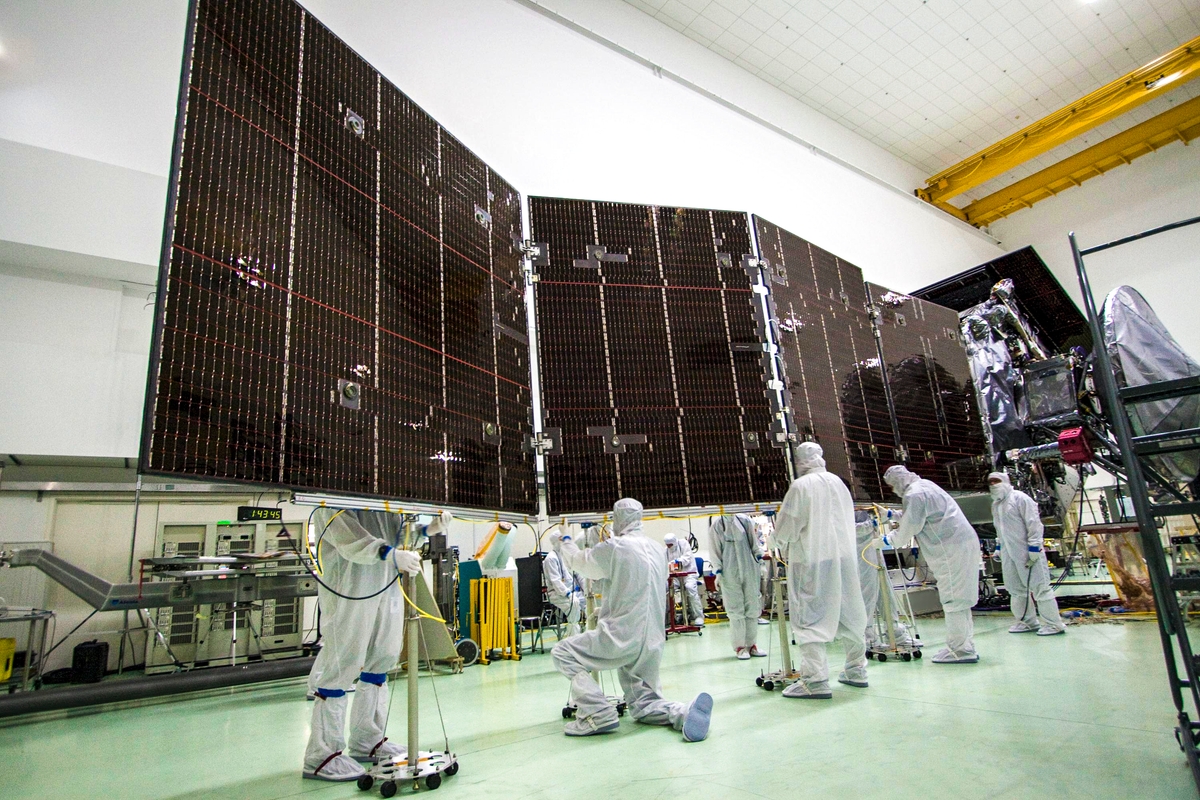
Space tech can be unpacked in three dimensions: missions, orbits and systems. In terms of missions, we have experience in SATCOM, Earth Observation, Optical/RF Data Relays, and TRL demonstrators. As for orbits, we have designed for GEO and LEO. On the systems side, we have worked with fault-tolerant avionics architectures, ground segment, data links, flight software, FDIR and hardware-in-the-loop simulation. We know the life cycle of space technology by heart, from conceptual design to in-orbit operations.
Space tech can be unpacked in three dimensions: missions, orbits and systems. In terms of missions, we have experience in SATCOM, Earth Observation, Optical/RF Data Relays, and TRL demonstrators. As for orbits, we have designed for GEO and LEO. On the systems side, we have worked with fault-tolerant avionics architectures, ground segment, data links, flight software, FDIR and hardware-in-the-loop simulation. We know the life cycle of space technology by heart, from conceptual design to in-orbit operations.
Defence
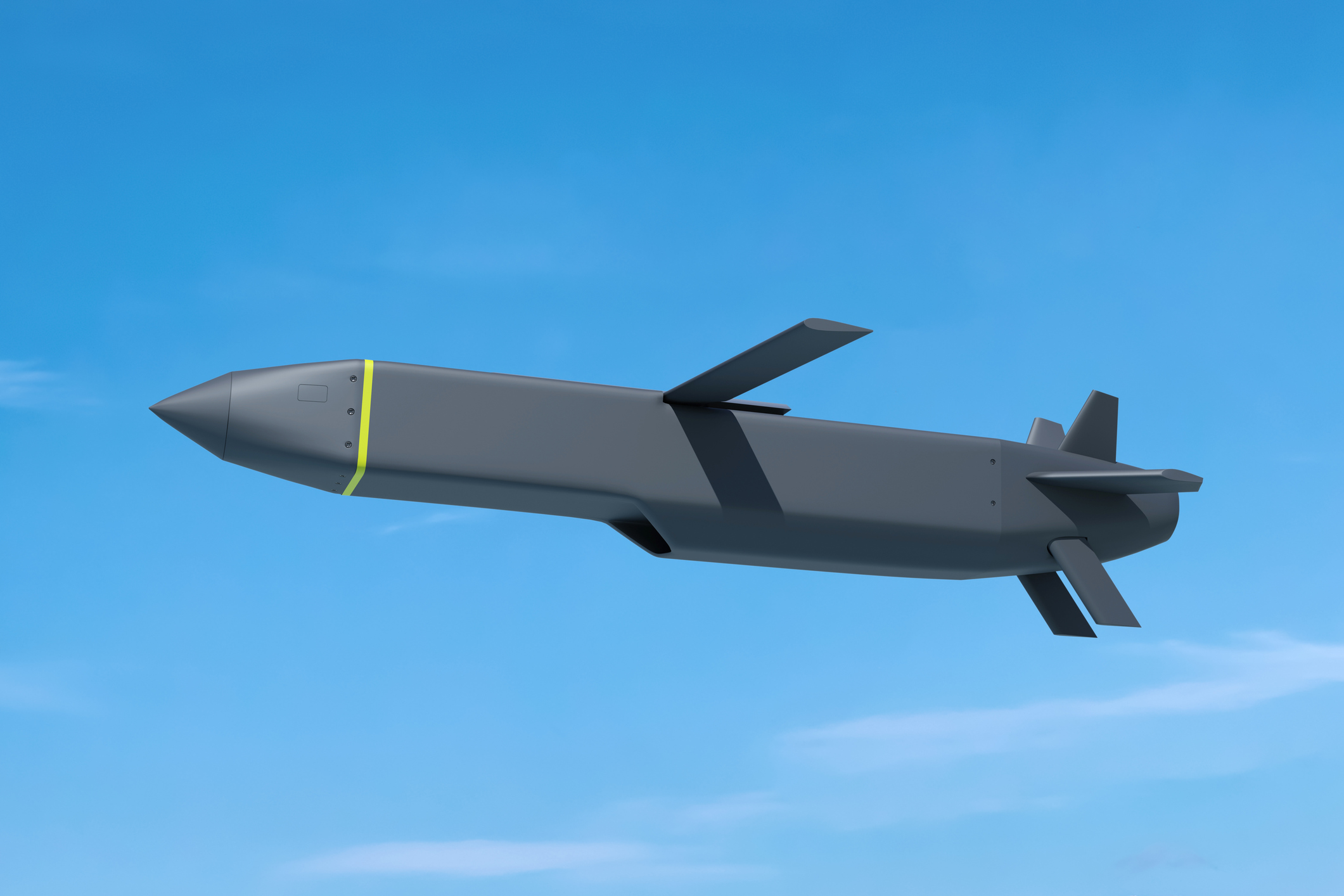
In air, space, sea and land, technological advantage comes from the capacity to network, integrate, and adapt across domains. We have designed surveillance radars, electronically-scanned arrays, synthetic aperture radars (SAR), and unmanned systems across their entire lifecycle, from whiteboard to simulation, from prototype to in-field deployment.
In air, space, sea and land, technological advantage comes from the capacity to network, integrate, and adapt across domains. We have designed surveillance radars, electronically-scanned arrays, synthetic aperture radars (SAR), and unmanned systems across their entire lifecycle, from whiteboard to simulation, from prototype to in-field deployment.
Electronic systems
From block diagram to tapeout. From chip to board-level, bring-up and application software. We have developed semiconductors, wireless sensors, RFID, IoT devices and have written and debugged thousands of lines of embedded code and HDL before generative tools were fashionable. We have mastered the hardware lifecycle, drawing schematics, programming SMT assembly lines, catching interrupts with oscilloscopes, repairing in the field.
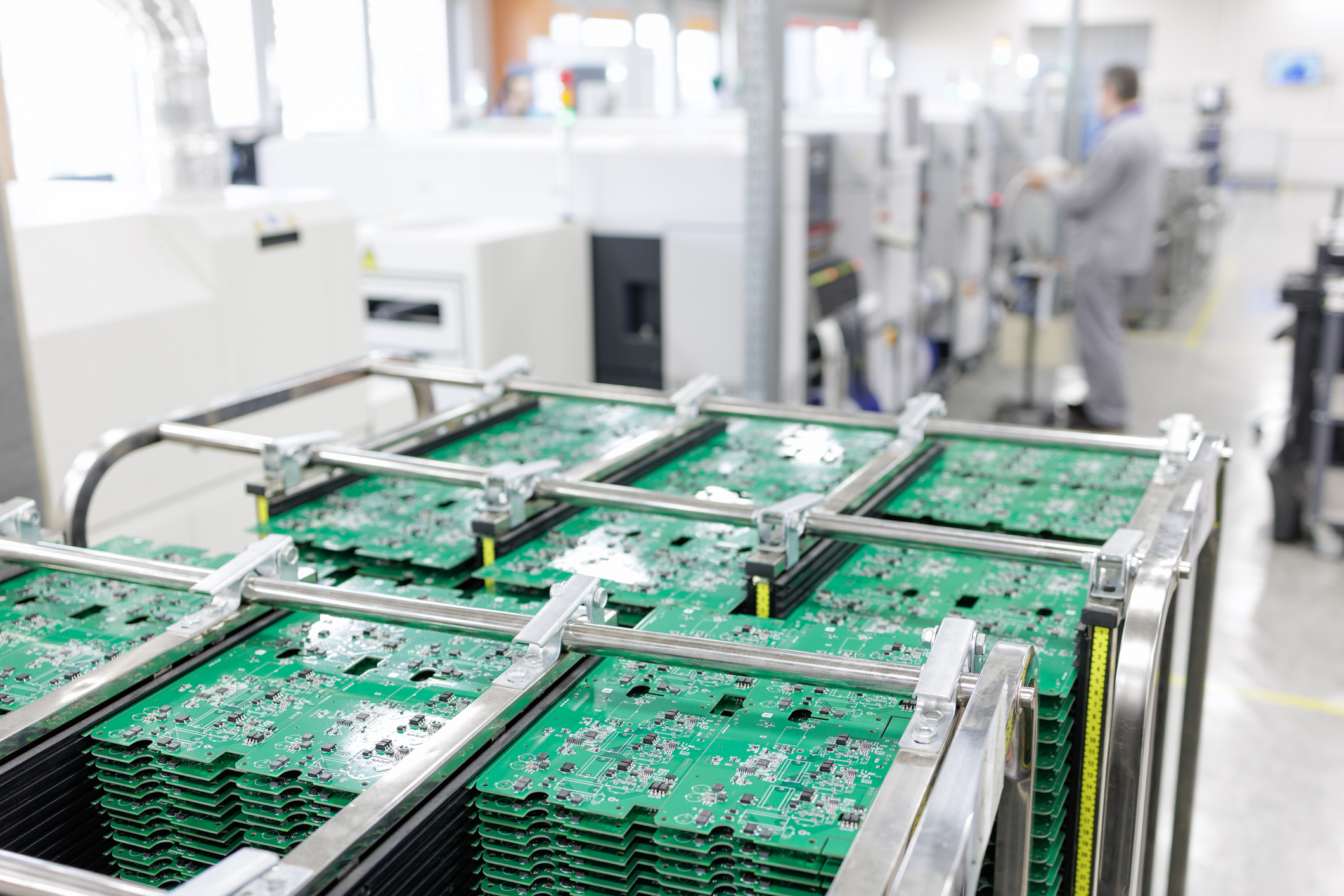
From block diagram to tapeout. From chip to board-level, bring-up and application software. We have developed semiconductors, wireless sensors, RFID, IoT devices and have written and debugged thousands of lines of embedded code and HDL before generative tools were fashionable. We have mastered the hardware lifecycle, drawing schematics, programming SMT assembly lines, catching interrupts with oscilloscopes, repairing in the field.
Physical AI
Between sensor and actuators, lie the algorithms and the environment. When giving AI the possibility to interact with the physical reality, great use cases unfold. We have experience in control systems, MLOps, pattern recognition, cyber-physical systems, embedded inference, and more.
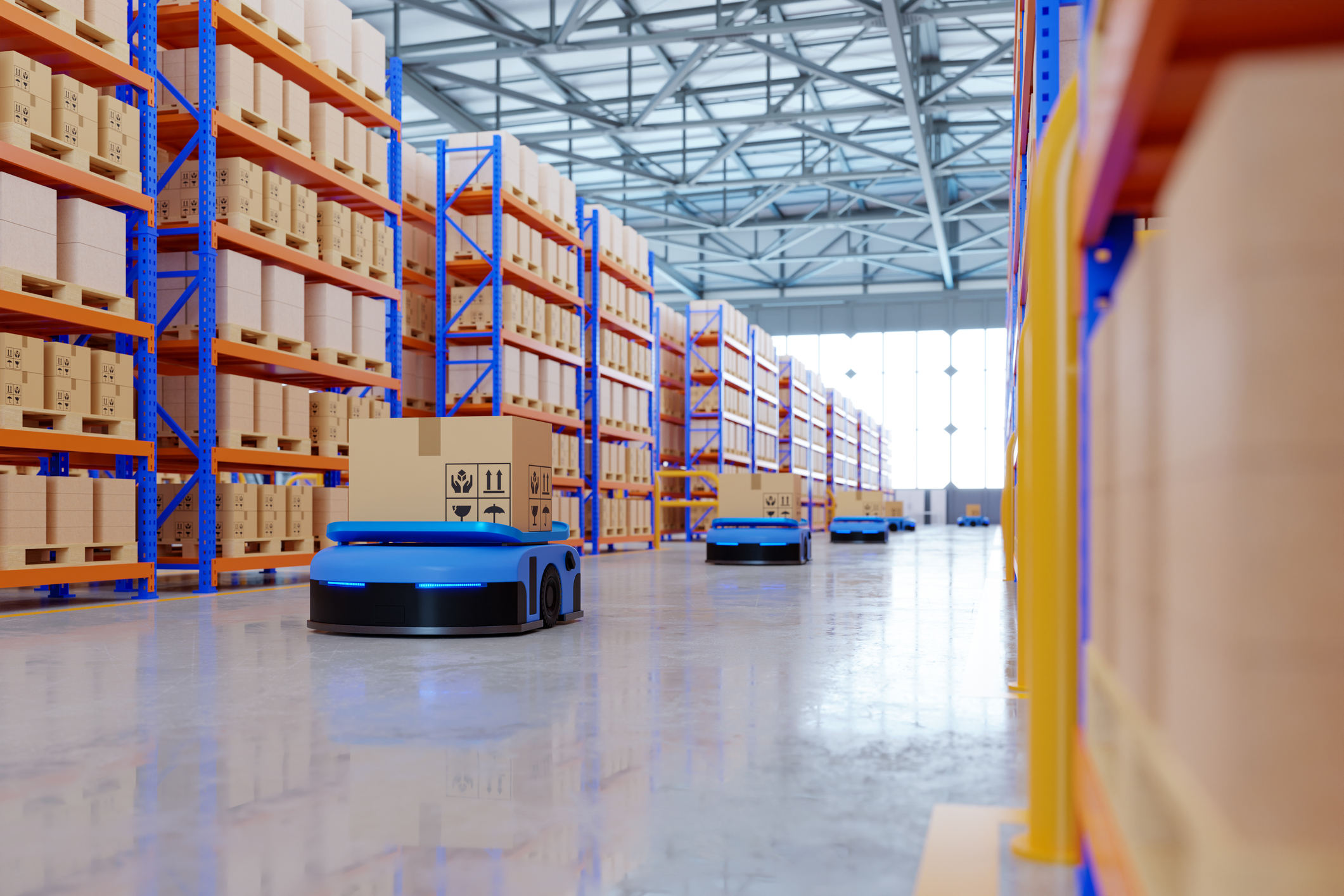
Between sensor and actuators, lie the algorithms and the environment. When giving AI the possibility to interact with the physical reality, great use cases unfold. We have experience in control systems, MLOps, pattern recognition, cyber-physical systems, embedded inference, and more.